


Shoulder Pain Relief — Burnaby BC
Shoulder Pain That Limits Your Life? The Problem May Be Your Spine.
Most shoulder pain is treated locally — at the shoulder. But the cervical and upper thoracic spine are often the true source. At Adapt Spine Centre in Burnaby, we identify and correct the spinal component of shoulder pain that other treatments miss.
3rd
most common musculoskeletal complaint after back and neck pain
Gonstead
analysis identifies cervical and thoracic roots of shoulder dysfunction
No Referral
Book directly — no GP visit required
Understanding Your Pain
Why Your Shoulder Hurts — and Why It Keeps Coming Back
The shoulder is the most mobile joint in the body — which also makes it one of the most vulnerable. But persistent shoulder pain rarely has a single, purely local cause. The nerves that control the shoulder musculature originate from the cervical spine (C4–C6), and misalignment at these levels can directly affect shoulder function, cause referred pain, and create the muscle imbalances that predispose the joint to injury.
When the vertebrae of the neck and upper back shift out of alignment, they can irritate the nerve roots supplying the shoulder, causing weakness, altered muscle firing patterns, and pain that is felt deep in the joint. This is why many shoulder conditions — including rotator cuff tendinopathy, frozen shoulder, and impingement syndrome — often coexist with or are driven by cervical and upper thoracic dysfunction.
At Adapt Spine Centre in Burnaby, our Gonstead assessment evaluates both the shoulder joint itself and the full spinal picture — ensuring nothing is missed and that your care plan addresses the complete picture.
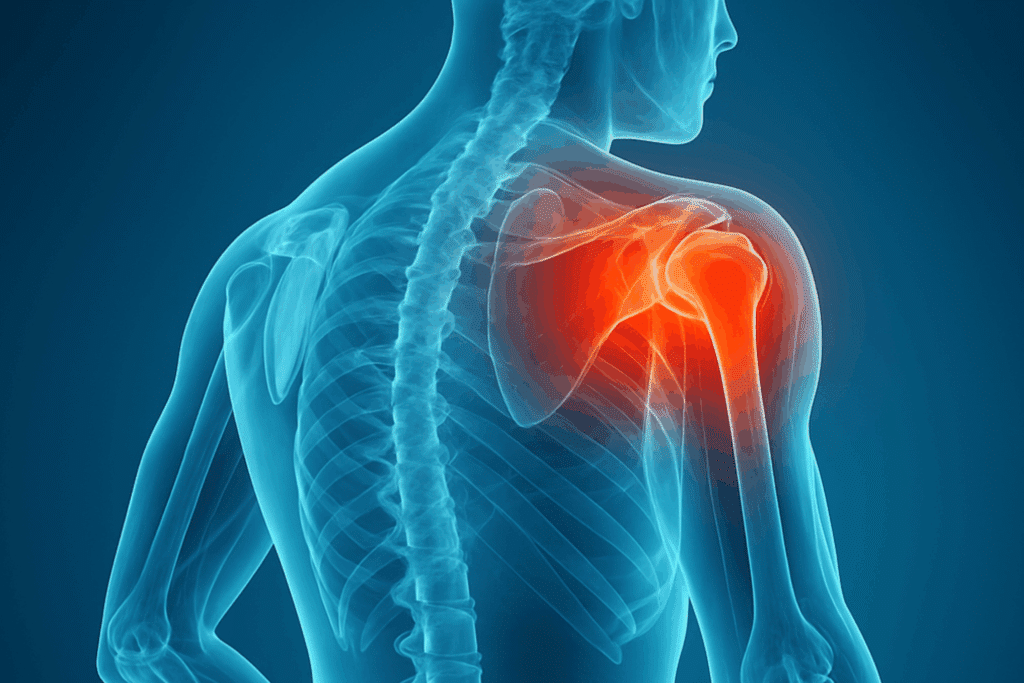
Deep, aching shoulder pain that worsens with reaching overhead or behind the back
Rotator cuff weakness or pain — difficulty lifting the arm
Frozen shoulder — progressive stiffness and loss of range of motion
Referred pain from the neck — burning or tingling into the arm or hand
Shoulder pain that returned after physio, massage, or rest
Common Causes
What Causes Shoulder Pain We Treat in Burnaby
Cervical spine misalignment
Upper neck vertebrae (C4–C6) directly supply the shoulder via the brachial plexus. Misalignment creates nerve irritation, muscle weakness, and referred shoulder pain.
Shoulder impingement syndrome
Reduced subacromial space pinches the rotator cuff tendons — commonly linked to rounded shoulders and forward head posture driven by thoracic misalignment.
Sports and workplace injuries
Falls, throwing sports, overhead lifting, and repetitive strain from desk work are common triggers for the spinal misalignments that drive chronic shoulder problems.
Rotator cuff tendinopathy
Repetitive overhead work, sports, or muscle imbalances from poor posture lead to tendon irritation. Often compounded by cervical nerve involvement.
Adhesive capsulitis (frozen shoulder)
Progressive capsular tightening causes severe range-of-motion loss. Spinal nerve involvement and altered muscle recruitment patterns contribute to onset and persistence.
Thoracic outlet syndrome
Compression of nerves and vessels between the collarbone and first rib — often related to upper thoracic and cervical vertebral misalignment.

The Gonstead Approach to Shoulder Pain
Looking Beyond the Shoulder to Find the Real Cause
Treating shoulder pain only at the shoulder is like treating a headache with sunglasses. The Gonstead system evaluates the full spinal picture — particularly the cervical and upper thoracic regions — to identify the neurological and structural contributors to your shoulder dysfunction before treatment begins.
Full Cervical & Thoracic Assessment
We X-ray and thermally scan the cervical and upper thoracic spine alongside your shoulder examination — identifying any spinal levels contributing to your shoulder's nerve supply, muscle function, and pain pattern.
Specific Spinal Correction
If cervical or thoracic misalignment is contributing to your shoulder symptoms, Gonstead adjustments restore proper vertebral position — taking pressure off the nerve roots that supply and control the shoulder musculature.

Integrated Care Plan
We develop a care plan that addresses both the spinal component and the shoulder itself, giving you clear milestones to track so you can see objectively that your shoulder is improving — not just feeling better temporarily.
Common Questions
Shoulder Pain FAQs
Can a chiropractor help with frozen shoulder?
Yes — particularly when frozen shoulder (adhesive capsulitis) has a cervical or thoracic spinal component. Our assessment identifies whether nerve irritation or altered muscle recruitment from the cervical spine is contributing to your frozen shoulder, and we address those contributing factors alongside the local shoulder restrictions.
I've already had physio for my shoulder with limited results — can chiropractic still help?
Often, yes. Many shoulder conditions that don't fully resolve with physiotherapy have an unaddressed cervical or upper thoracic spinal component. Our Gonstead evaluation specifically looks for this — if your previous treatment only addressed the shoulder joint, the spinal contributors may have been missed.
Do I need a referral to see a chiropractor for shoulder pain in Burnaby?
No referral is needed. You can book your initial exam directly with us. We welcome new patients from across Burnaby, North Burnaby, Burnaby Heights, and surrounding areas including East Vancouver and Coquitlam.
Related Conditions
Shoulder pain often coexists with other spinal conditions. You may also find these pages helpful:

Shoulder Pain Shouldn't Stop You from Living Fully.
Book your initial exam at Adapt Spine Centre in Burnaby. We'll assess your full spinal picture and shoulder function — and give you an honest, clear plan to get you back to the activities you love.
Located at 3961 Hastings Street #101, Burnaby BC · Open Mon–Sat · No referral required